Melon: A Quirky Handwritten Font That Brings Personality to Your Craft Projects
Designing with Melon: From Candle Labels to Greeting Cards
I was putting together a new line of soy candles and wanted a label that felt warm and approachable. I opened my design software, scrolled through my font library, and landed on Melon. The first thing I noticed was how effortlessly it added charm to the label. It wasn’t just the letters—it was the way the strokes danced together, like a handwritten note from a friend. I knew instantly this font would help my candles stand out in a sea of generic packaging.
What Makes Melon Unique?
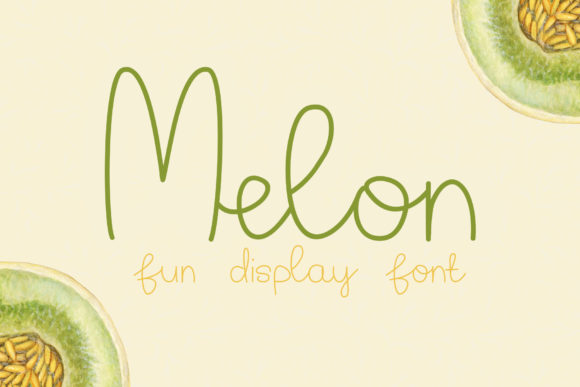
Melon is a script font with a playful, light-hearted personality. It’s designed to mimic natural handwriting, complete with slight imperfections that give it authenticity. Each letter flows into the next with a casual rhythm, making it ideal for projects that need a personal touch. Whether it’s a boutique tag, a seasonal greeting card, or a custom mug, Melon adds a sense of warmth and creativity that’s hard to replicate with more structured fonts.
Where Melon Shines in Real-World Projects
I’ve used Melon across a variety of handmade products and printables. Here are a few standout applications:
- Candle labels: Perfect for short phrases and brand names, Melon gives a cozy, artisan feel.
- Greeting cards: Whether it’s a birthday or thank-you note, this font adds a hand-lettered charm.
- Wedding invitations: Ideal for titles, names, or decorative elements that need a soft, romantic touch.
- Printable wall art: Works beautifully for quotes, single-word art, or personalized name signs.
- Seasonal tags: Great for holiday gift tags or autumn wreath signage with a whimsical flair.
How Melon Elevates Product Presentation
Typography plays a huge role in how your audience perceives your brand. Using a unique font like Melon helps elevate your product from mass-produced to handcrafted. It tells your customers that you’ve thought about every detail—even the way your label reads. It also builds brand consistency when used across packaging, social media, and product tags. When someone sees Melon on a sticker or a mug, they start to associate that style with your shop, increasing recognition and trust.
Best Use Cases for Melon
Melon is a display font, meaning it’s best suited for short bursts of text rather than long paragraphs. Think of it as the star of the show, not the supporting cast. Use it for:
- Names and titles
- Brand logos
- Product labels
- Decorative text on signs or cards
- Invitation headers or quote art
It’s not ideal for body text or small print, especially on physical items like stickers or tags. Always test readability at actual print size, especially if you’re using a cutting machine like a Cricut or Silhouette.
Pairing Melon with Other Fonts
One of the joys of working with a script font like Melon is experimenting with font pairings. To keep your design balanced, pair it with a clean sans serif like Montserrat or Lato for contrast. For a more vintage or rustic feel, try a simple serif font underneath. I often use Melon for headlines and a minimalist sans for descriptions or body text. This helps maintain visual interest without overwhelming the design.
Design Tips for Using Melon in Your Projects
Here are a few practical tips I’ve learned from using Melon in real product design:
- Check for alternates: Some versions of Melon include alternate characters and ligatures—use them to customize your text and avoid repetition.
- Test for readability: Especially for small stickers or printed tags, always preview at actual size before printing or cutting.
- Use for digital previews: If you sell digital templates or printables, Melon adds a personal touch to preview images and listing thumbnails.
- Consider licensing: Make sure the version you’re using includes commercial rights if you’re selling physical products, printables, or SVG designs.
- Match the mood: Melon works best for cheerful, casual, or whimsical designs—perfect for baby items, kid’s books, or boutique packaging.
Real-World Examples That Bring Melon to Life
Here are a few of my favorite ways I’ve used Melon recently:
- A farmhouse-style sign with “Welcome to Our Wedding” in Melon paired with a rustic wood background.
- A set of holiday gift tags with names written in Melon, printed on kraft paper for a handmade look.
- Printable wall art with a quote like “Live Laugh Love” in bold Melon letters with soft watercolor textures.
- Wedding welcome boards with the couple’s names in Melon, surrounded by floral SVG elements.
- Boutique clothing tags with short phrases like “Made with Love” or “Handcrafted with Care” in a smaller size.
Choosing the Right Font for Your Brand
When selecting a font like Melon, it’s important to think about how it aligns with your brand identity. Does your shop feel playful, elegant, or modern? Melon leans toward the whimsical and friendly side, making it a great fit for sellers who want to connect with customers on an emotional level. It’s not just about aesthetics—it’s about creating a feeling that resonates with your audience.
Final Touches: Checking File Formats and Licensing
Before you start using Melon in your commercial projects, make sure you have the correct license. Some fonts are free for personal use but require a paid license for commercial sale. Also, check the file formats included—most quality fonts come in TTF, OTF, and sometimes WOFF for web use. If you're designing for cutting machines or printables, having a clean vector version is key for sharp results.